
Apartment building insurance premiums in Los Angeles have reached all-time highs, making it crucial for property owners to rethink their approach. If you want to avoid unnecessary costs and increase your chances of securing favorable coverage, here are critical—yet often missed—factors to consider.
1. Seismic Gas Shutoff Valves: A Non-Negotiable for LA
After the 1994 Northridge earthquake, LA building codes changed dramatically. Today, insurance providers expect apartment buildings to have automatic seismic gas shutoff valves (ASGVs) installed. If your property lacks these, you risk immediate rejection from many competitive carriers. Owners of older buildings, especially those acquired without major upgrades, should prioritize this safety measure. For more on current LA building requirements, check the Los Angeles Department of Building and Safety.
2. Modernization of Core Systems
Insurance carriers scrutinize the age and condition of several key systems:
-
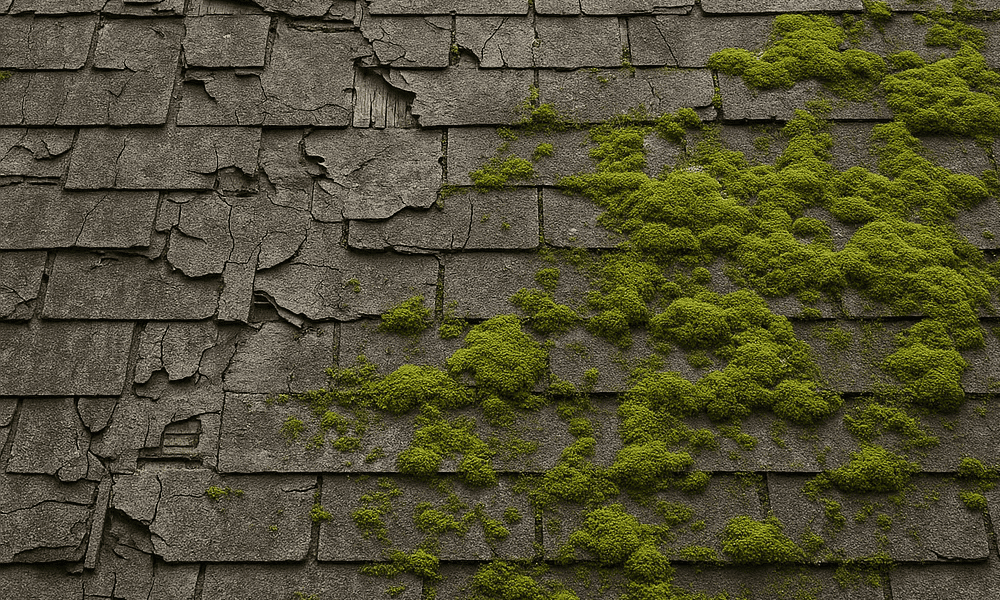
Roof: Roofs older than 20 years are a red flag. Even if other systems are updated, an aging roof can lead to higher premiums or outright denial.
-
Electrical Panels: Panels from brands like Zinsco, Stablok, Federal Pacific, and Challenger are often blacklisted. Replacement within the last 40 years is usually required.
-
Plumbing & HVAC: Regular maintenance extends their lifespan, but most insurers want updates within the past 20–40 years.
-
Water Heaters: Modern, efficient models are preferred.
If you’re unsure about the age of these systems, research past improvements—even those done by previous owners. Gradual upgrades are better than none.
3. Railing and Baluster Safety
Horizontal railings may look modern, but they pose significant liability risks—especially for children and pets. Insurance providers overwhelmingly prefer vertical balusters with gaps no wider than 4 inches. If your property features horizontal designs, consider retrofitting or adding safety features to improve your insurance prospects. For building code guidance, visit the California Building Standards Commission.
4. Security Bars: Safety vs. Liability
Security bars can enhance peace of mind, but they must have quick-release mechanisms. Without these, residents could be trapped during emergencies, leading to tragic outcomes and automatic insurance denials. Before installation, consult local fire safety guidelines or see the Los Angeles Fire Department’s recommendations.
5. The Power of Online Imagery
Insurers increasingly use Google Maps and Street View to preview properties. Visible issues—like debris, neglected paint, overgrown landscaping, or unsafe walkways—can influence underwriting decisions. Regularly check your property’s online presence and address any visible risks before seeking new coverage.
6. Proactive Maintenance and Documentation
-
Keep detailed records of all upgrades and repairs.
-
Document improvements with photos and receipts.
-
Research reputable insurance agencies and compare their requirements.
A well-maintained, documented property not only reduces risk but also strengthens your position when negotiating rates.
7. Final Thoughts
Navigating LA’s insurance landscape doesn’t have to be overwhelming. Start by addressing the most critical safety and maintenance issues, stay informed about local regulations, and work with experienced insurance professionals. The right approach can save you thousands and provide peace of mind in an unpredictable market.

